
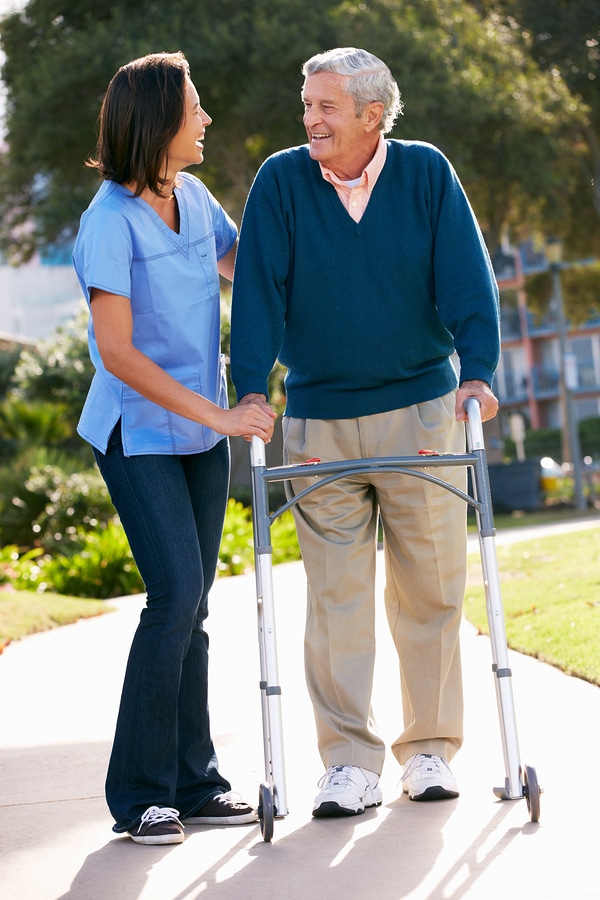
Walking is one of the most accessible forms of exercise available to older adults, yet its impact on overall well-being is often underestimated. A simple daily walk can support physical health, improve emotional wellness, and help seniors maintain independence. During periods when mobility may feel more challenging, establishing a walking routine can provide structure, confidence, and a renewed sense of purpose.
For many older adults, staying active becomes increasingly important with age. Regular movement helps preserve strength, balance, and flexibility while supporting cardiovascular health. Combined with the support of senior home care, walking can become a safe and enjoyable part of everyday life that promotes long-term wellness.
Why Walking Remains One of the Best Exercises for Seniors
Unlike many fitness programs, walking requires no special equipment, gym membership, or extensive training. It can be adapted to fit nearly any fitness level and can be performed indoors or outdoors.
Walking offers a variety of benefits, including:
- Improved circulation
- Better heart health
- Increased muscle strength
- Enhanced balance and coordination
- Reduced joint stiffness
- Improved sleep quality
- Better mood and emotional well-being
Because walking is a low-impact activity, it places less stress on joints than many other forms of exercise, making it suitable for many older adults.
More Than Physical Exercise
The benefits of walking extend far beyond physical fitness.
Many seniors experience periods of loneliness or isolation, particularly after retirement, the loss of a spouse, or reduced social opportunities. A daily walk provides a reason to leave the house, engage with the community, and maintain social connections.
Even a brief walk around the neighborhood can provide:
- Fresh air
- Exposure to natural sunlight
- Opportunities for conversation
- Mental stimulation
- A sense of accomplishment
These seemingly small experiences can have a meaningful impact on emotional health and overall quality of life.
Building Confidence One Step at a Time
Confidence often declines when mobility becomes more difficult. A senior who worries about falling or becoming fatigued may begin limiting activities, leading to reduced physical conditioning over time.
Unfortunately, reduced movement often creates a cycle in which physical abilities continue to decline.
Walking can help break that cycle.
As seniors gradually increase their activity level, they often notice improvements in endurance, balance, and overall mobility. These gains can make everyday tasks feel more manageable and restore confidence in their abilities.
Simple activities such as shopping, attending social events, or participating in family gatherings may become less intimidating when mobility improves with the help of senior home care providers.
How Walking Supports Independence
One of the greatest concerns many older adults face is the possibility of losing their independence.
Maintaining mobility plays a significant role in preserving the ability to live safely and comfortably at home. Walking helps strengthen muscles used for everyday movements such as:
- Standing up from a chair
- Climbing stairs
- Carrying groceries
- Moving throughout the home
- Getting in and out of a vehicle
By supporting these essential activities, regular walking contributes to greater independence and self-sufficiency.
Supporting Heart Health Through Movement
Heart disease remains one of the most common health concerns among older adults. Physical activity is often recommended as part of a heart-healthy lifestyle.
Walking can help support cardiovascular wellness by:
- Improving circulation
- Helping manage blood pressure
- Supporting healthy cholesterol levels
- Assisting with weight management
- Improving overall endurance
Even moderate activity performed consistently can provide meaningful health benefits.
Before beginning a new exercise routine, seniors should consult with their healthcare provider to ensure the activity is appropriate for their individual health needs.
Walking and Fall Prevention
Falls are a major concern for older adults and their families. While many people assume that avoiding activity reduces fall risk, the opposite is often true.
Regular walking helps strengthen muscles, improve balance, and enhance coordination. These improvements can contribute to greater stability during daily activities.
Additional safety strategies include:
- Wearing supportive footwear
- Using mobility aids when recommended
- Walking in well-lit areas
- Choosing smooth walking surfaces
- Staying hydrated
Combining physical activity with proper safety precautions and senior home care services can help seniors remain active while reducing unnecessary risks.
Making Walking a Sustainable Habit
The most successful exercise routines are often the simplest.
Rather than focusing on long distances or strict goals, seniors may benefit from starting with manageable steps. Consistency is more important than intensity.
Helpful strategies include:
- Walking at the same time each day
- Setting realistic goals
- Choosing enjoyable routes
- Walking with a friend or family member
- Tracking progress over time
- Celebrating small achievements
Even ten to fifteen minutes of walking can provide meaningful benefits when performed regularly.
How Senior Home Care Encourages Active Living
Many older adults want to remain active but face challenges that make exercise difficult. Transportation limitations, mobility concerns, or a lack of confidence may prevent them from establishing healthy routines.
This is where senior home care can provide valuable support.
Caregivers can encourage safe physical activity by helping seniors maintain routines that fit their abilities and goals. Assistance may include:
- Accompanying clients on walks
- Providing mobility support
- Offering encouragement and companionship
- Assisting with transportation to parks or walking locations
- Helping maintain safe home environments
Having someone nearby can help seniors feel more comfortable and confident while remaining active.
California Seniors Care understands that wellness involves more than meeting basic daily needs. Supporting healthy habits and encouraging meaningful activities can help seniors maintain a higher quality of life.
Walking Together Strengthens Relationships
Walking can also create opportunities for connection.
Family members often search for ways to spend meaningful time with aging loved ones. Walking together provides a simple activity that encourages conversation and shared experiences without requiring extensive planning.
A daily or weekly walk can become a cherished routine that supports both physical and emotional health.
These moments often create lasting memories while helping seniors stay engaged with the people who matter most.
Small Steps Can Lead to Big Benefits
Many older adults assume they must make dramatic lifestyle changes to improve their health. In reality, simple habits often have the greatest long-term impact.
Walking does not require expensive equipment or complicated schedules. It simply requires a willingness to take the first step and build consistency over time.
Whether the goal is to maintain mobility, support heart health, improve balance, or boost confidence, walking offers a practical way to promote overall wellness.
California Seniors Care recognizes that every senior’s journey is unique. Through personalized senior home care support and compassionate assistance, older adults can continue participating in activities that help them stay active, independent, and engaged in daily life.
A simple walk around the block may seem small, but over time, those steps can lead to greater strength, confidence, and a healthier future.
If you or an aging loved one is considering Senior Home Care in Cupertino, CA, please contact the caring staff at California Seniors Care today! (408) 429-8665
California Seniors Care provides exceptional home care in Campbell, San Jose, Cupertino, Sunnyvale, Milpitas, Mountain View, Santa Clara, Palo Alto, Saratoga, Bay Area, and Santa Clara County.
- In Honor of World Alzheimer’s Month - September 10, 2026
- More Than a Diagnosis: Helping an Older Man Feel Like Himself During Prostate Cancer Care - September 9, 2026
- Home Should Help You Heal: Preparing for a Safe Recovery After Joint Replacement Surgery - August 28, 2026